

NCAA: Protect College Sports Act Safeguards Women’s Athletics
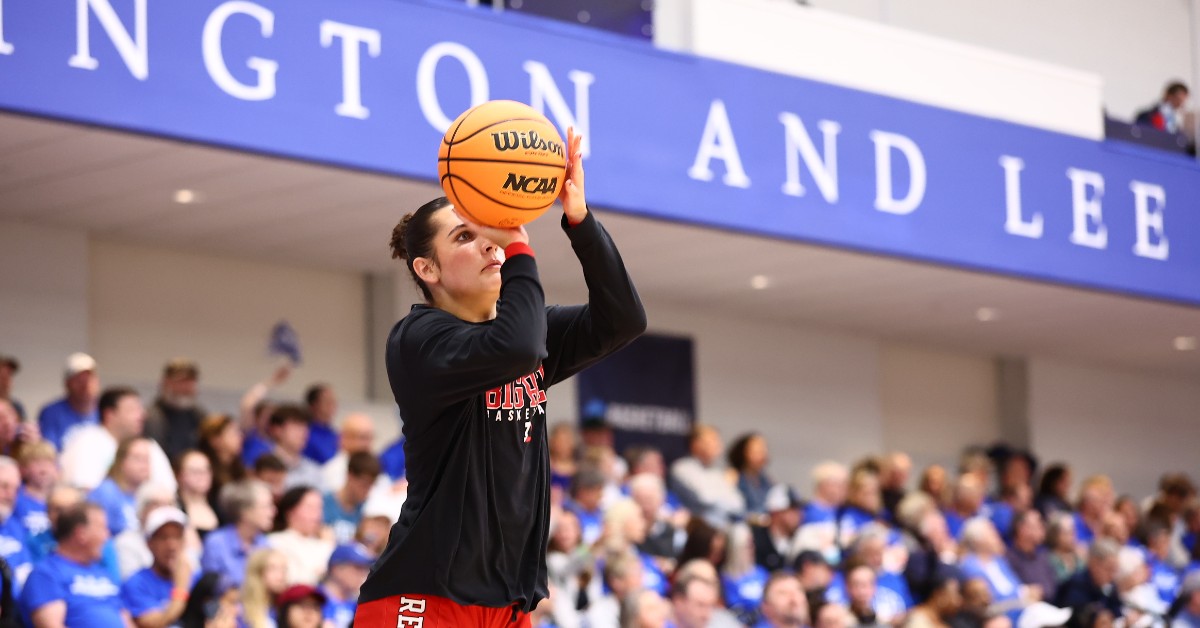
As financial and legal pressures mount across college athletics, the NCAA has intensified its push for the House to pass the Protect College Sports Act, arguing the legislation could help preserve opportunities for women’s athletics.
In a memo sent to membership Monday, the NCAA outlined proposed protections for women’s programs, roster opportunities and championship conditions, emphasizing that the bill would sustain existing Title IX obligations. Learn more about the proposed safeguards and their potential impact on Division III athletics.
How Protect College Sports Act Addresses Women’s Athletics
“No single bill can solve every challenge facing college sports, including women’s sports,” the NCAA wrote, characterizing the legislation as meaningful progress.
The Protect College Sports Act would set new requirements for Division I schools and establish standards for men’s and women’s teams at championship events. It reaffirms schools’ existing Title IX obligations, which apply across all NCAA divisions.
Section 109 would require comparable standards for men’s and women’s teams competing in the same or comparable sports at championship events. They would cover medical care, lodging, meals, rest periods, transportation, facilities, publicity and promotion.
Elsewhere, Section 125 would establish minimum sport-sponsorship requirements for Division I schools and require qualifying institutions to maintain current levels of roster opportunities and financial aid for female student-athletes for nearly a decade.
Section 127 clarifies that the legislation wouldn’t weaken Title IX, the federal law prohibiting sex-based discrimination in education programs receiving federal financial assistance. It also extends whistleblower protections to those reporting suspected violations of the law or breaches of the bill’s health and safety standards.
How the Bill Could Apply to D3 Athletics
As expected, the implications would vary across NCAA divisions.
Section 125’s sport-sponsorship mandates and enhanced roster and financial-aid requirements target Division I schools and qualifying institutions. They wouldn’t automatically require Division III institutions to retain the same number of women’s teams or roster spots.
D3 programs would still be subject to Title IX, and the bill’s broader health and safety measures could affect more than Division I. That distinction matters for athletic departments managing financial constraints, as the legislation wouldn’t impose the same requirements on every NCAA school.
Protect College Sports Act: What Happens Next?
The Senate passed the Protect College Sports Act by a 77-22 vote on Sept. 28, and the House received the measure on Oct. 5.
Now, the NCAA is urging House members to pass the Senate-approved version, which must clear the chamber before it’s handed to the president for signature. The House will decide whether the legislation becomes law.
More From YD3 Network

Misericordia President Opposes Five-Year Division III Eligibility
Misericordia President Daniel J. Myers warns that a five-year eligibility period could undermine the Division III academic mission.
NCAA: Protect College Sports Act Safeguards Women’s Athletics
The NCAA outlined key provisions of the Protect College Sports Act in a memo to members, citing women’s athletics and Title IX protections.

How D3 Athletics Builds Campus Leaders
NCAA data shows how D3 athletics connects to campus leadership, transferable workplace skills and career readiness for student-athletes.