

Protect College Sports Act: House Version Raises Conference Cap
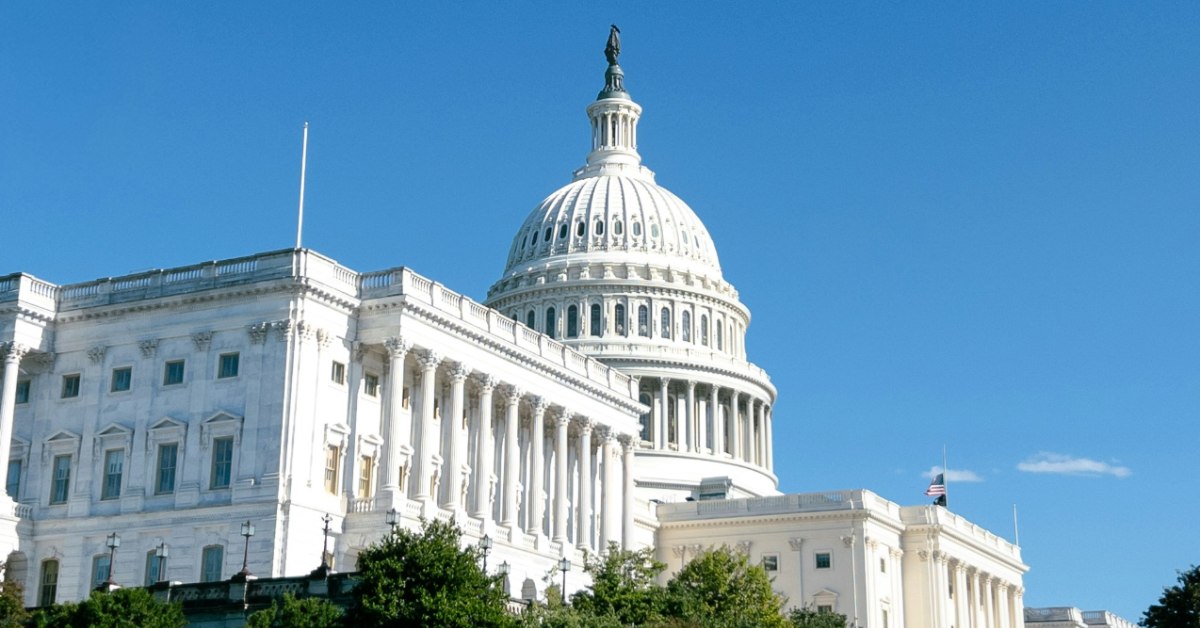
On Friday, the House released a revised version of the Protect College Sports Act, making notable adjustments to the legislation’s conference realignment provisions ahead of potential floor consideration. Learn more below, including insights into the potential impact on Division III athletics.
Protect College Sports Act Revises Conference Expansion Rules
Section 205 addresses restrictions on conference mergers and acquisitions, particularly involving the four major Division I conferences (A4): the ACC, Big Ten, Big 12 and SEC.
Under the House proposal, qualifying conferences could acquire assets or media rights from institutions outside the bill’s scope, provided they don’t exceed 22 member schools.
The Senate-passed version set the membership cap at 20. The House print also drops a three-year waiting period for certain institutions seeking to move between major conferences. The Senate version had included the restriction, which was reduced from an initial five-year requirement during negotiations.
Beginning in 2029-30, institutions averaging at least $50 million in annual media rights revenue would be prohibited from using student fees to support athletic department expenses, including facilities, scholarships, student-athlete payments, coaching salaries and operations. The threshold is based on media rights revenue.
These provisions are intended to limit conferences’ ability to consolidate their positions through acquisitions while protecting the broader college sports landscape.
On Sept. 28, the Senate approved its version of the Protect College Sports Act by a 77-22 vote. The House hasn’t yet voted on the measure.
What the Protect College Sports Act Means for D3
Division III institutions aren’t necessarily directly affected by the revised conference expansion provisions. The legislation applies to conferences that generate most of their athletic revenue from football media rights and meet a $600 million revenue threshold. Its definition of covered institutions also hinges on participation in football within those conferences.
However, the legislation remains relevant to the broader Division III community. Major-conference realignment can affect the competitive and financial dynamics of college athletics, with potential consequences extending beyond the institutions directly covered by the bill.
It also introduces a new Section 130 addressing student athletic fees. Beginning with the 2027-28 academic year, qualifying institutions must publicly disclose how much they collect in student fees to support athletics, how that money is spent and what percentage of their athletic department expenses it covers.
The reporting requirements extend beyond Division I. Because the provision amends the Equity in Athletics Disclosure Act, qualifying Division III institutions that participate in federal student aid programs and sponsor intercollegiate athletics would also be subject to the disclosure rules.
A Nov. 25 deadline has been established by the House Rules Committee for lawmakers to submit amendments. The committee may meet during the week of Nov. 30 to prepare the legislation for floor consideration.
These next steps will determine which provisions survive the House process and whether the legislation’s financial transparency requirements bring scrutiny to athletic spending.
More From YD3 Network

Protect College Sports Act: House Version Raises Conference Cap
The House revisions to the Protect College Sports Act could reshape conference realignment. Here’s what the changes mean for D3 athletics.

NCAA Eligibility: Division III Weighs Medical Waiver Expansion
NCAA officials are considering broader medical criteria for D3 hardship waivers, potentially expanding eligibility options.
D3 Football Playoff Tickets Increase Under New NCAA Pricing
NCAA Division III football playoff tickets now cost $25 for adults and $8 for students under a new standardized pricing policy.