

NCAA Transfer Portal Puts Division III Retention in Focus
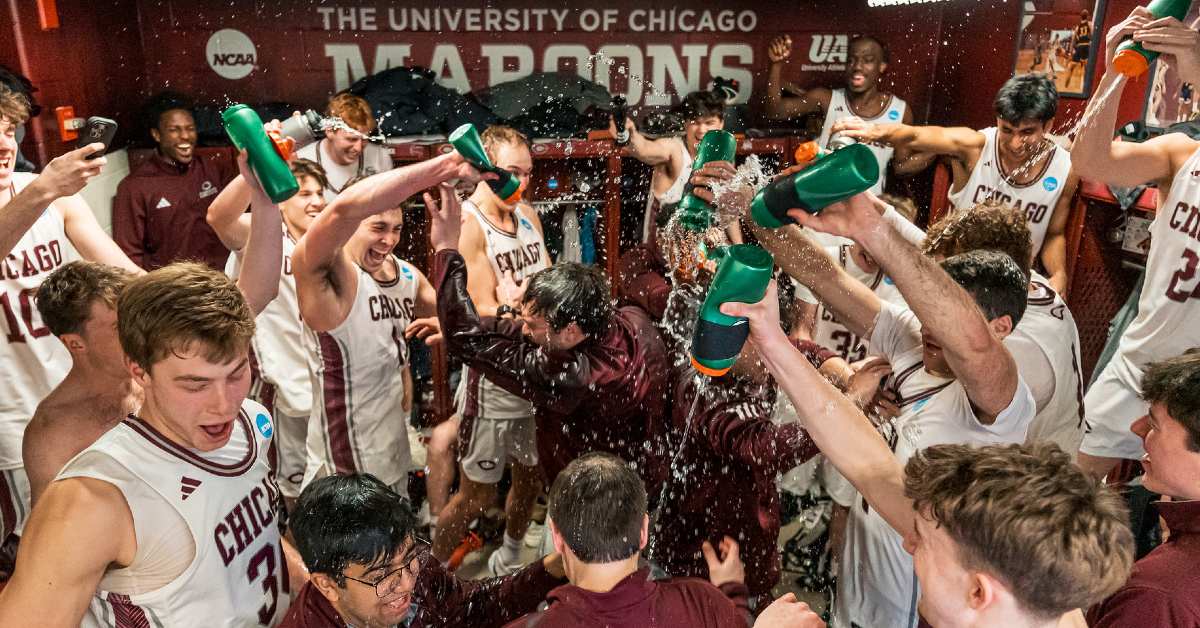
Amid growing attention to the transfer portal and student-athlete movement across college athletics, new NCAA research highlights the potential academic consequences of transferring multiple times.
The study, which examines Division I student-athletes exclusively, found a relationship between repeated transfers and lower six-year degree completion rates. Its findings offer relevant context for student-athlete retention, including at the Division III level.
NCAA Transfer Portal: Research Reveals Graduation Gap
Released on Wednesday afternoon, the study examined nearly 36,000 Division I student-athletes who entered college during the 2018-19 academic year. It combines NCAA records with enrollment and graduation data from the National Student Clearinghouse.
Among those who never transferred, 88% earned a bachelor’s degree within six years. That figure dropped to 81% for student-athletes who transferred once and 71% for those who attended three or more institutions. Similar gaps emerged across racial, gender and sport classifications.
The findings don’t establish a direct link between transfer portal activity and lower graduation rates. However, they present the potential academic challenges associated with repeated changes in college environments.
A six-year graduation window also reflects broader trends in higher education. According to the National Center for Education Statistics, 49.1% of first-time, full-time bachelor’s degree seekers at four-year institutions completed their degrees within four years in the 2016 entering cohort. That figure increased to 64.6% within six years.
D3 Retention & Academic Success
Division III offers a separate framework for evaluating student-athlete academic outcomes through its Academic Success Rate (ASR). Unlike the federal graduation rate, the measure accounts for transfers into an institution and student-athletes who leave while academically eligible.
Per the NCAA’s 2025 report, Division III’s four-cohort ASR reached 88%, its highest mark to date.
The broader graduation timeline is worth considering alongside the evolving transfer portal landscape. Divisions I and II have adopted age-based models that generally provide up to five years of eligibility, replacing their previous four-season structures.
D3 programs may follow, as the American Rivers and Ohio Athletic Conferences are proposing a similar policy. The Division III Presidents Council took no position on the proposal in October, recommending additional study ahead of the January 2027 NCAA Convention.
For D3 institutions, the broader conversation reinforces the importance of institutional fit, academic support and degree completion. Retaining student-athletes involves more than keeping them on a roster. Helping them find an environment where they can pursue their academic goals, athletic interests and long-term ambitions remains central to the college experience.
IN THIS STORY
More From YD3 Network
NCAA Transfer Portal Puts Division III Retention in Focus
New research around the NCAA transfer portal offers valuable context for Division III graduation rates and student-athlete retention.
D3 Playoffs: How to Watch NCAA Championship Games for Free
Following the D3 playoffs? Learn how the NCAA Championships Pass provides free access to Division III postseason games.

NCAA Reviews College Financial Aid Practices at 43 D3 Institutions
The NCAA is assessing financial aid packages at 43 Division III schools for potential disparities tied to athletic participation.