

NCAA Eligibility: NAIA Approves Fifth Year as D3 Weighs Changes
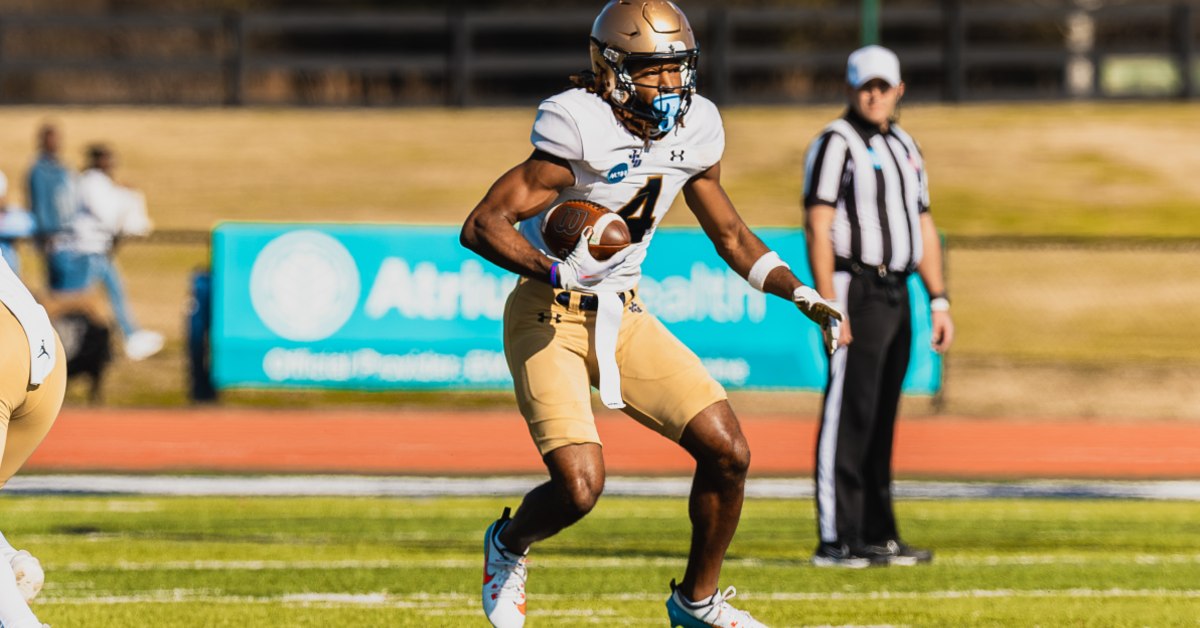
NCAA eligibility rules remain a point of discussion across college athletics, with another governing body now expanding opportunities for student-athletes.
NAIA membership approved a fifth year of eligibility Wednesday, Nov. 4, replacing its existing four-year limit with a model tied to academic progress. The change takes effect in fall 2027, as NCAA Division III continues evaluating a proposal that would also introduce a five-year eligibility framework.
Although the two models differ in approach, both reflect a broader reconsideration of how long student-athletes should compete at the collegiate level.
NAIA Approves Fifth Year of Eligibility
Under the newly approved policy, the NAIA will tie eligibility to academic progress rather than an age-based timeline.
Student-athletes who meet the association’s academic progress requirements and other eligibility standards can compete for a fifth season. The five years also don’t have to be consecutive, giving additional flexibility to those who step away from competition or pursue their degrees through different enrollment paths.
The policy takes effect in fall 2027. It also creates additional opportunities for student-athletes transferring from NCAA institutions, provided they meet the NAIA’s eligibility requirements.
The change doesn’t automatically restore NCAA eligibility for student-athletes who exhausted their four seasons before the 2026-27 academic year. Instead, it applies to those who entered the current academic year with eligibility remaining and satisfy the NCAA’s transition requirements.
NCAA Eligibility: Division III Leaders Seek More Time
D3 leadership hasn’t unanimously supported the proposed NCAA eligibility changes.
On Oct. 22, the Division III Management Council recommended that the Presidents Council oppose the age-based eligibility proposal. The council cited the need for additional time to evaluate the effects of similar changes already adopted by NCAA Divisions I and II.
The Presidents Council subsequently declined to take a formal position during its Oct. 28 meeting.
Instead, the council indicated that delegates could refer the proposal back to Division III’s governance structure at the 2027 NCAA Convention in January. That would lend additional time to assess the potential effects and consider an approach that better addresses its membership’s needs.
Divisions I and II adopted new age-based eligibility models over the summer, providing D3 athletics with another point of comparison as it considers its next steps.
For now, the NAIA’s approval doesn’t appear to signal a corresponding decision. Division III’s proposal remains unresolved, with its eventual direction still to be determined.
The 2027 NCAA Convention is scheduled for Jan. 13-15 in Nashville.
More From YD3 Network
Protect College Sports Act: Advocates Mount Final Push
Protect College Sports Act supporters are lobbying for passage in the House. Here’s the latest outlook and what it means for Division III.

College Financial Aid: New Report Highlights D3 Affordability
A College Board report examines costs and grant aid, while UChicago and Carleton highlight college financial aid initiatives in Division III.
NCAA Transfer Portal Puts Division III Retention in Focus
New research around the NCAA transfer portal offers valuable context for Division III graduation rates and student-athlete retention.