

The Future of NCAA D3 Athletics: 2 Athletic Directors Weigh In
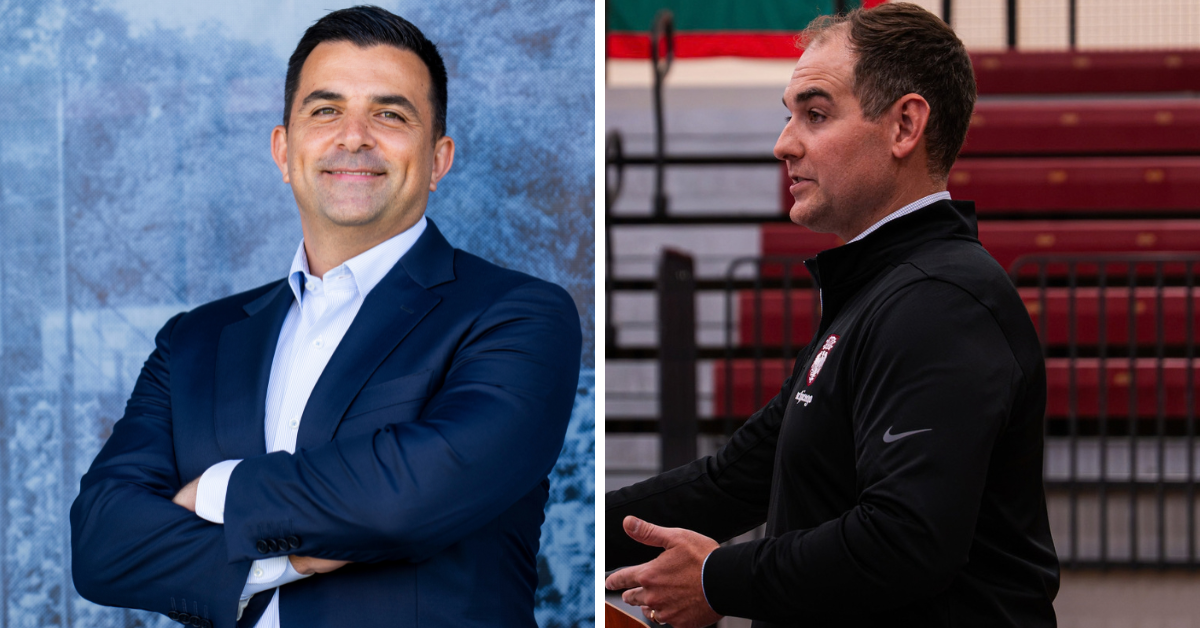
An athletic director’s role has never been more complex. As college athletics evolve, leaders in NCAA D3 athletics must balance competitive excellence, academic priorities, career preparation, student-athlete well-being and heightened expectations for today’s student-athletes.
Ryan Pisarri, Tufts University’s director of athletics, and Jake Silverman, University of Chicago’s director of athletics and recreation, both arrived in Division III after starting their careers in Division I. They bring experience shaped by some of the country’s most prominent athletic conferences and institutions.
Pisarri joined the Jumbos in July 2025 after over a decade in various administrative roles at Division I Rutgers, where he most recently served as interim director of athletics, following stops in finance and as a two-time Ivy League football champion at Penn. Silverman joined UChicago in June after 14 years in Ivy League athletics administration at Penn and Brown, a career that began as a student assistant with the Syracuse football program.
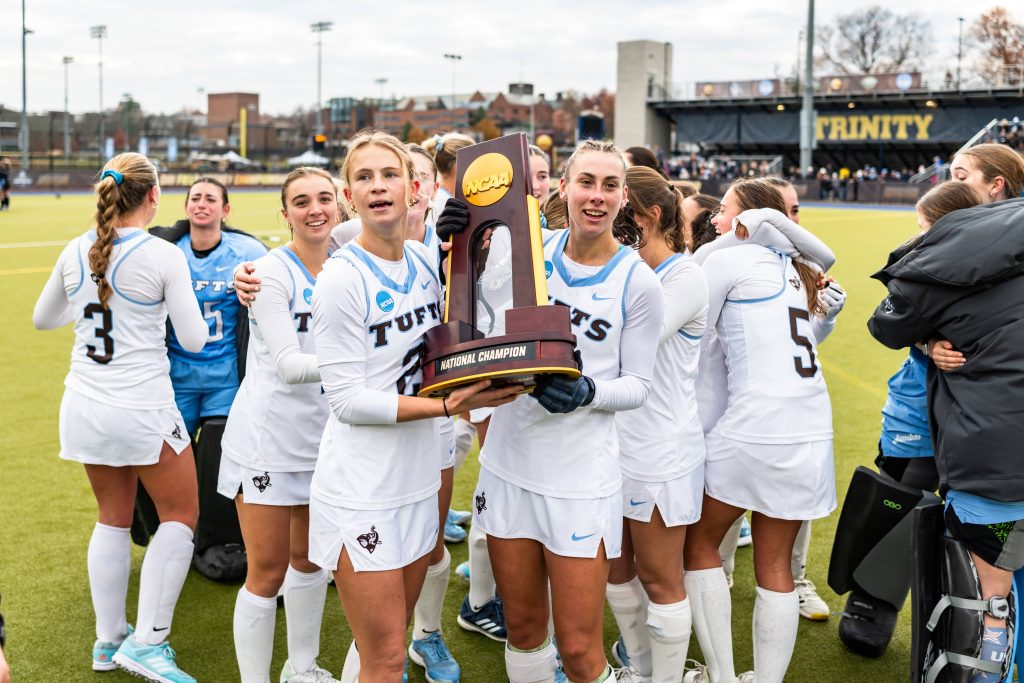
Now, each leads two of D3’s most accomplished athletic departments. The Jumbos notched a record-setting 2025-26 academic campaign, with field hockey, men’s soccer, women’s rowing, and men’s lacrosse each claiming national titles as Tufts earned a second-place finish in the Learfield Directors’ Cup standings.
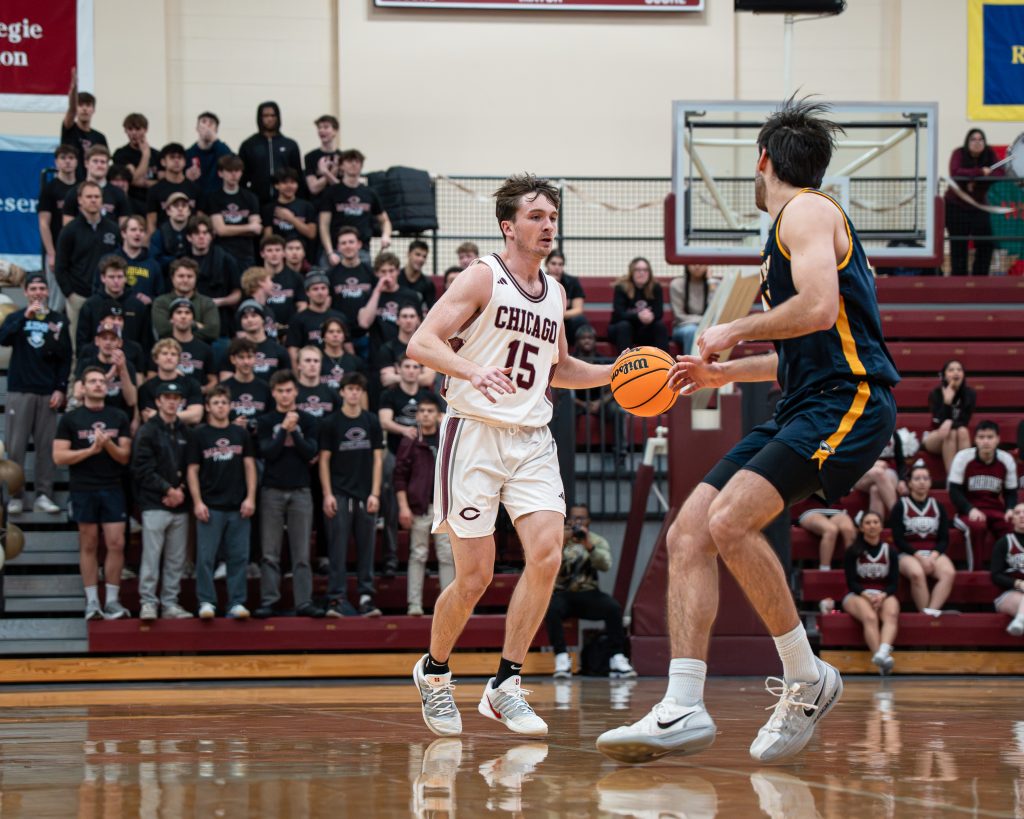
The Maroons also cemented one of the most successful runs in their 134-year history. That run was anchored by their third men’s tennis national title in five years, Elite Eight appearances by the men’s and women’s basketball teams, and the baseball program’s first-ever NCAA Super Regional appearance. Those triumphs earned a sixth-place finish in the Learfield standings.
In this exclusive Q&A, Pisarri and Silverman shed light on their distinct paths to NCAA D3 athletics, the ever-changing landscape, and how they’re striving to cultivate environments where student-athletes will thrive academically, athletically and professionally.
Note: This Q&A combines separate interviews with Pisarri and Silverman. Responses have been edited for length and clarity.
NCAA D3 Athletics: First Impressions
Q: You arrived in D3 after spending significant time in Division I athletics. What has stood out about the Division III student-athlete experience?
Pisarri: I had a bunch of friends growing up who played Division III, and they were all incredibly talented players. I think sometimes we get too caught up in labels — divisions, levels, all of that. I thought it combined high academics with high athletic skill and competitiveness. My expectations have absolutely been surpassed.
The coaches here [at Tufts] are competitive, successful, and diligent at their craft. The student-athletes we get blow me away every day. They want to succeed in the classroom, but make no mistake: they want to succeed on the playing field, too. They’re competitive, skilled, and incredibly hard-working. They want to be elite — the best in the country. It’s just a different way of doing it.
In some ways, this feels like Penn — high-level academics paired with high-level athletics.
Silverman: I don’t know if it’s a misconception, but I met plenty of people who thought being in Division I meant athletic scholarships or that the level of competition was different. Academics come first, and neither the Ivy League nor D3 athletics offers athletic scholarships, but the level of competition is incredibly high.
The Ivy League is one of the most competitive conferences nationally, and that can get lost when you’re watching SportsCenter. You can combine academic achievement with athletic accomplishment.
That’s what drew me to the UChicago. We’re a world-class academic institution, and we should strive for the same on the athletic side while staying true to who we are.
Shifting Landscape Across NCAA D3 Athletics
Q: With Division I athletics undergoing significant changes surrounding NIL, resources and the student-athlete model, how do you view the current structure?
Silverman: I believe college athletics always has a place as a co-curricular, academically tethered experience. Unfortunately, I think the national landscape has moved further away from that at the Division I level, and that can be dangerous.
One of the things that attracted me most to the University of Chicago is that we know exactly who we are. We know what we want to be, and we can achieve at the very highest levels in Division III.
Our formula works.
Pisarri: I’m still a big proponent of Division I athletics, and I believe in the model. It’s clearly going through a transformational time. We’ll see significant change over the next couple of years, and eventually things will level out.
Strip everything away, and the core elements of intercollegiate athletics remain the same: develop young men and women, give them a great experience, provide resources, support them and prepare them.
That can look and feel very different from place to place. I don’t necessarily believe one way is better than another.
Serving Today’s Student-Athlete
Q: What does it mean to create a modern student-athlete experience?
Pisarri: Creating networks and pathways for our student-athletes is really important — helping them connect with the student-athletes who came before them. I wish I had done a better job in college of connecting with alumni and exploring different career opportunities.
Our students have the tools. They’re better prepared than they think, but they often have to go through it to fully understand it. We want to give them every opportunity to be prepared as they move forward.
The goal is to expose them to different career opportunities, connect them with people who have been in their shoes, and help them understand that the lessons they learn through athletics will serve them long after graduation.
Silverman: The focus has to be on holistic development. That includes academic support and ensuring students succeed academically. We also offer career preparation and the power of alumni connections. We also support well-being through athletic training, sports performance, mental health, and nutrition resources.
Those pieces can’t exist separately. We need to build a suite of opportunities that helps student-athletes thrive. That’s why we’re here.
Today’s student-athlete expects that level of support. Our responsibility is to make sure those resources work together so they leave not only as better people, but better prepared for life beyond college.
Sustaining NCAA Championship Success
Q: Your athletic department just experienced a historic year. How do you keep building without losing what made it run so smoothly?
Silverman: A lot of what I’m doing right now is listening. I need to understand what’s going well and where our opportunities are. My job is to connect those dots across programs and make sure our initiatives lift everyone.
UChicago has tremendous talent, tremendous coaches, and broad-based success before I set foot on campus. Now, it’s about scaling our greatest strengths and moving forward.
Pisarri: A big part of my job is to stay out of the way and not screw up the things that are already really good. You want to understand what the place does well and where there are opportunities to improve.
With so much success, it’s easy to get satisfied and maintain the status quo. But we can keep pushing, investing, and evolving. We want to be an elite Division III athletic department.
More From YD3 Network
D3 Diplomacy: Where Women’s Basketball Meets Global Impact
Learn how D3 women’s basketball launched Megan Selmon Kelly’s path into U.S. foreign policy, NATO and global service.
Fitzsimons, Wesleyan Football Chase Historic D3 Playoff Berth
Wesleyan football is 5-0, chasing another NESCAC championship and the conference’s first Division III postseason appearance.

NBA Champion Jalen Brunson: A D3 Basketball Coach’s Lens
How D3 basketball, college recruiting and coaching Jalen Brunson show the importance of finding the right environment to thrive.