

D3 Soccer: Kristi Kirshe’s Unlikely Path to Olympic Rugby
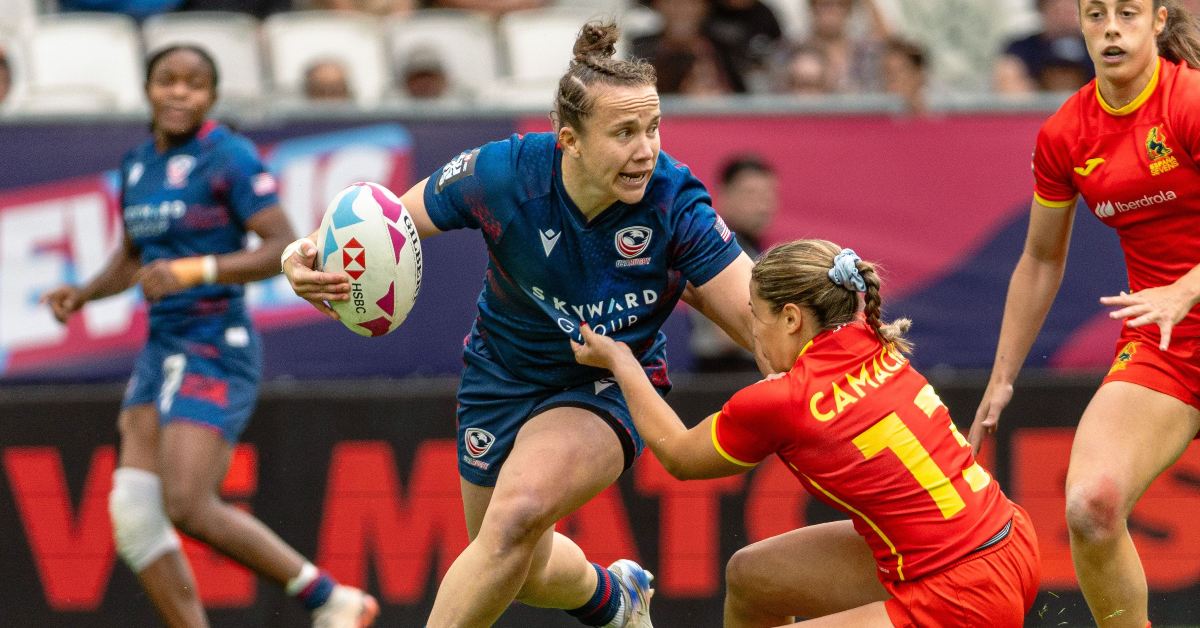
Born and raised in Franklin, Mass., Kristi Kirshe’s athletic foundation was anything but conventional by today’s standards.
Some enter single-sport pipelines before high school, but she played soccer, basketball, and lacrosse well into her teens. That multisport background put Kirshe outside the early-specialization model, one that’s intensified over the last two decades as club teams and recruiting circuits reward year-round commitment.
Research in youth sports medicine has consistently highlighted these trade-offs, with recent studies suggesting that single-sport athletes are roughly twice as likely to suffer overuse injuries and experience higher rates of burnout than those who split their time among various activities.
Kirshe, by contrast, prioritized breadth over short-sighted ambition.
When I was looking at colleges, I focused on the student-athlete experience and getting a great education. Some coaches told me I needed to give up the other sports. That was something I refused because I had so much fun playing them.
— Kriste Kirshe, Williams College alumna
Division III Williams College became her defining edge, paving the way for a life-altering adjustment.
A D3 Path Beyond Early Specialization
Even during her time playing Pop Warner football, Kirshe demonstrated her versatility by taking snaps at quarterback, running back and linebacker. That tenacity translated most clearly to the soccer field, where she won the 2012-13 Gatorade Massachusetts Girls Soccer Player of the Year award and finished her prep career with 102 goals and 44 assists.
Her game reflected broader athletic literacy, evident in her understanding of her strengths and weaknesses.
“I don’t think I was the most technical player, but I was really good at putting myself in situations where I could impact the game,” Kirshe said. “Reading and arriving in attacking areas before things fully developed.”
A multisport upbringing has become less common as youth sports have shifted toward early specialization, a trend that coincides with a steady decline in sustained participation.
The American Academy of Pediatrics has reported that roughly 70% of children leave organized sports by age 13. Those who continue playing multiple sports may hone a richer set of instincts, learning to navigate space and handle contact.
Kirshe’s physical edge ultimately paved her way to Williams College, where the nation’s top-ranked liberal arts institution offered a balance she valued most.

In 2015, the 5-foot-5 forward led the Ephs to the D3 soccer national title — one of two championship game appearances in her tenure before Williams added two more rings over the next three years. Kirshe also capped her senior campaign with Scholar All-American accolades and New England Small College Athletic Conference (NESCAC) Player of the Year honors.
A two-time All-American, she holds the program’s all-time records for goals (43) and points (115) while sharing the career assists mark (29).
Nevertheless, Kirshe’s perspective runs deeper than her D3 soccer stats.
I’ve always been a team-sport athlete. Caring about the overall goal rather than just individual stats. That was — and still is — really important to me.
From Law to USA Rugby
After seemingly parting ways with competitive sport, Kirshe moved to Boston to work at the law firm Ropes & Gray, trading in the soccer field for an office desk as she adjusted to a new routine and weighed whether law school was in the cards.
“I just kept feeling like I was missing something in my life,” she said.
Eventually drawn back to recreational soccer, Kirshe was encouraged by an old high school friend to try rugby — more as a social outlet than anything else — with the Boston Women’s Rugby Football Club.
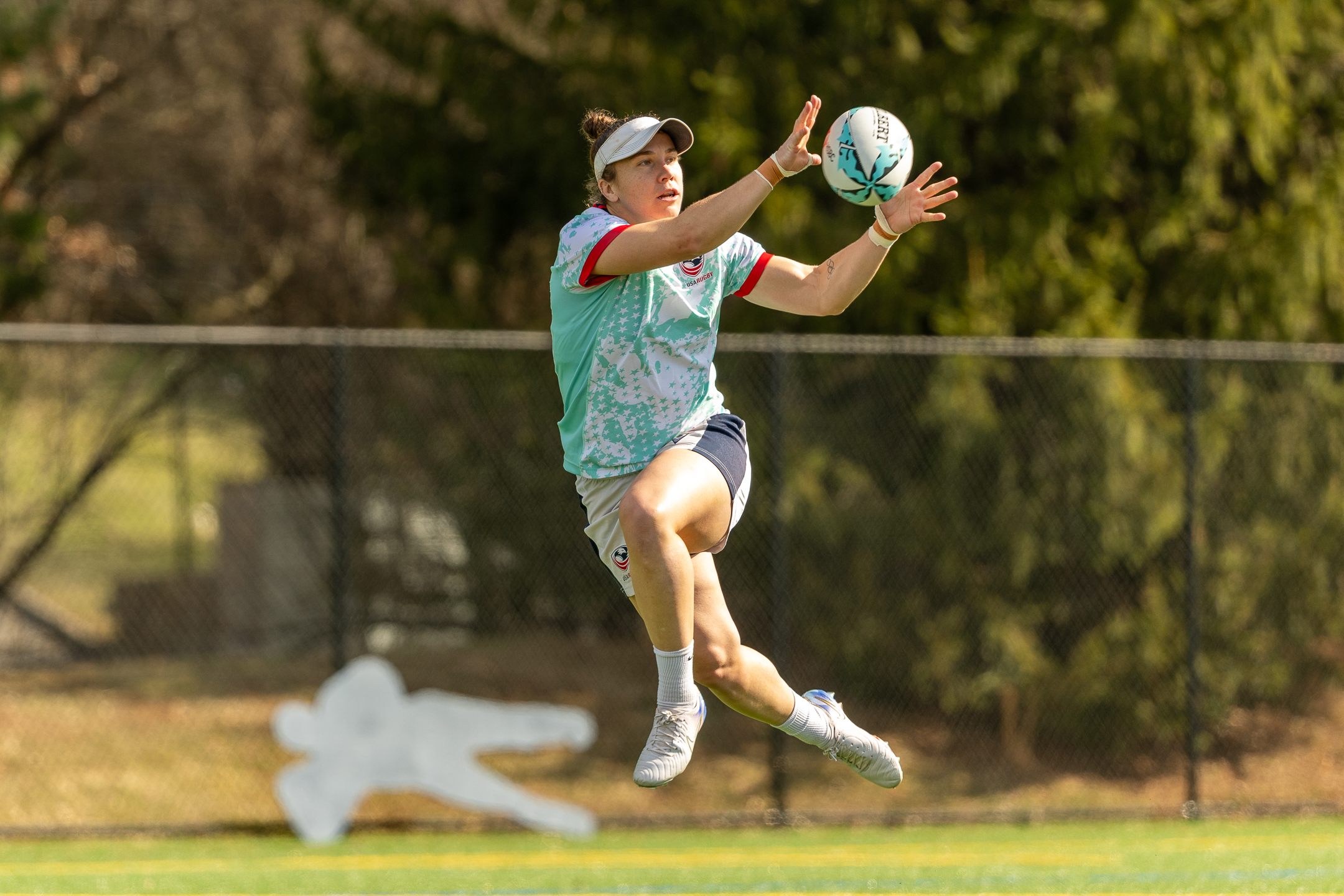
Kirshe was skeptical about leaving soccer and wondered whether she belonged in a different sport. But in February 2018, she attended her first practice at a nearby YMCA.
Within just a few months, she was playing in the abbreviated, seven-a-side version of rugby, flashing her uncanny athleticism. By the summer, USA Rugby scouts identified her raw talent at the Hokkaido Governor’s Cup and invited her to Team USA’s camp in San Diego.
Suddenly, Kirshe’s options became binary: continue a blossoming law career or take a chance on an emerging opportunity in sport.
“I didn’t have enough vacation days left,” she said. “So I quit my job.”
Kirshe’s Olympic Grit
In January 2019, Kirshe made her global debut at the Sydney Sevens and quickly asserted herself as the captain of the U.S. national team as it prepared for the Olympic cycle.
Two summers later, she stepped into Tokyo’s spotlight amid COVID-19 testing, strict protocols and family watching from afar. Kirshe and Co. fell short of the podium, losing in the quarterfinals and ending their run at the Games.
Nevertheless, the group remained largely intact afterward, driven by a shared belief in continued improvement and renewed motivation.
“We all knew how badly we wanted it,” Kirshe said.
By the time she arrived for the 2024 Paris Olympics, the world had returned to normalcy, with packed venues replacing deafening silence.
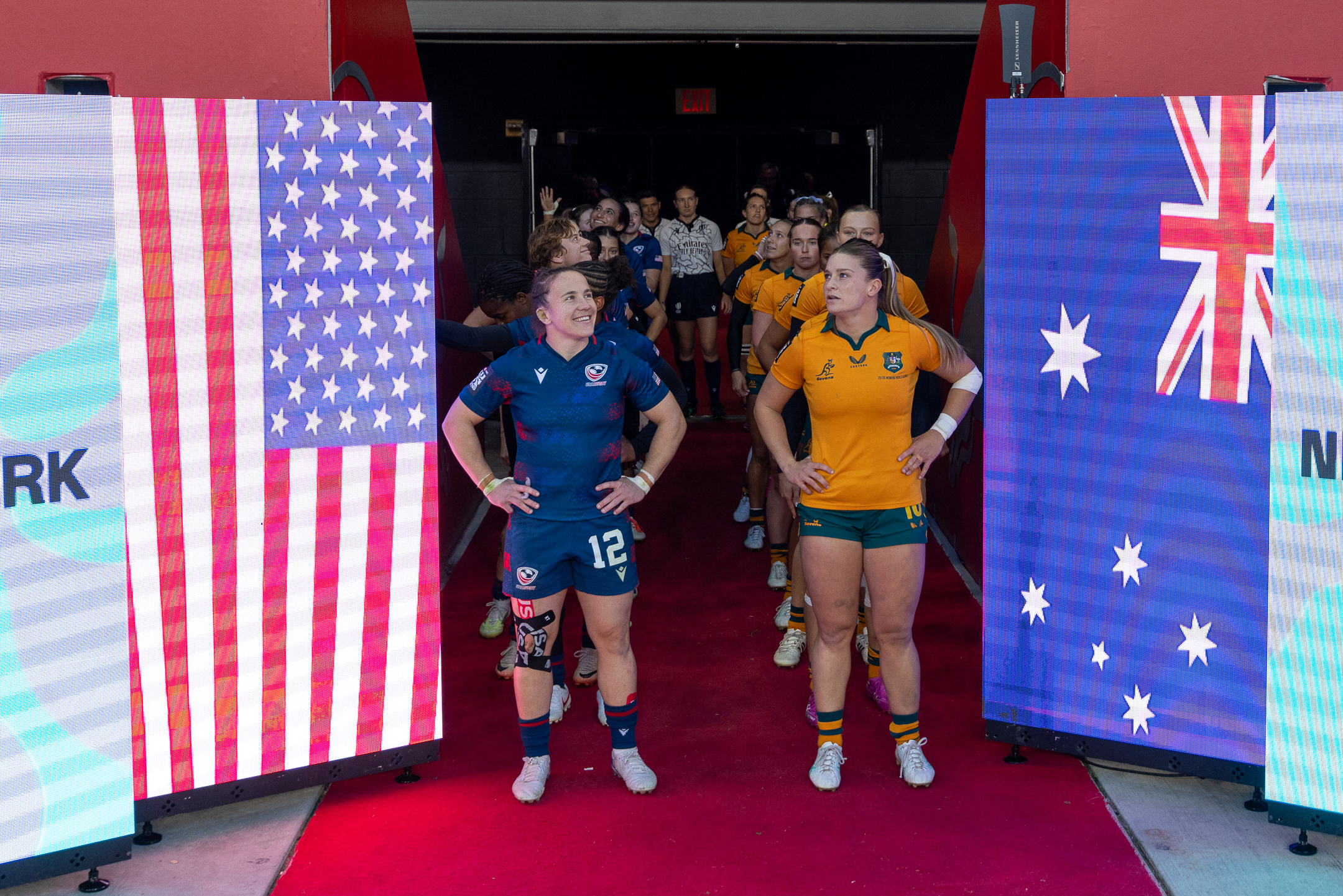
The roar of the crowd was unreal. Going from zero people to 66,000 in Paris — it was like night and day.
In the bronze-medal match against Australia, Kirshe powered through traffic on a 30-meter run, with the broadcast calling her “the [most] outstanding player for the USA.” Her performance helped secure the country’s first Olympic medal, punctuating her rise and setting the stage for Los Angeles in 2028.
The D3 Soccer Difference
Kirshe’s story challenges one of the mental dilemmas that high schoolers face: the Division I-or-bust mindset. Her path illustrates that athletic success has more than one definition.
“Very early on, you’re kind of forced into a level of professionalism in both aspects,” she said. “You have to manage your time, prioritize what needs to happen to be 100% focused in the classroom, and then get 100% dialed in on the field. You can’t let things fall through the cracks.”
That structure extended beyond Kirshe’s student-athlete journey. Coaches constantly encouraged her to explore interests outside of sport, a philosophy that shaped how she saw herself.
You’ll never be seen as just an athlete. You’ll always be looked at as a whole person.
IN THIS STORY
QUICK STATS
More From YD3 Network
Division III Council Delays Decision on Eligibility Proposal
A proposed shift to a five-year eligibility model remains uncertain after top Division III leaders declined to take a position.

D3 Football: Has the Transfer Portal Gone Too Far?
The transfer portal has reshaped Division III athletics. Unravel the impact on student-athletes and programs across D3 football.
Misericordia President Opposes Five-Year Division III Eligibility
Misericordia President Daniel J. Myers warns that a five-year eligibility period could undermine the Division III academic mission.